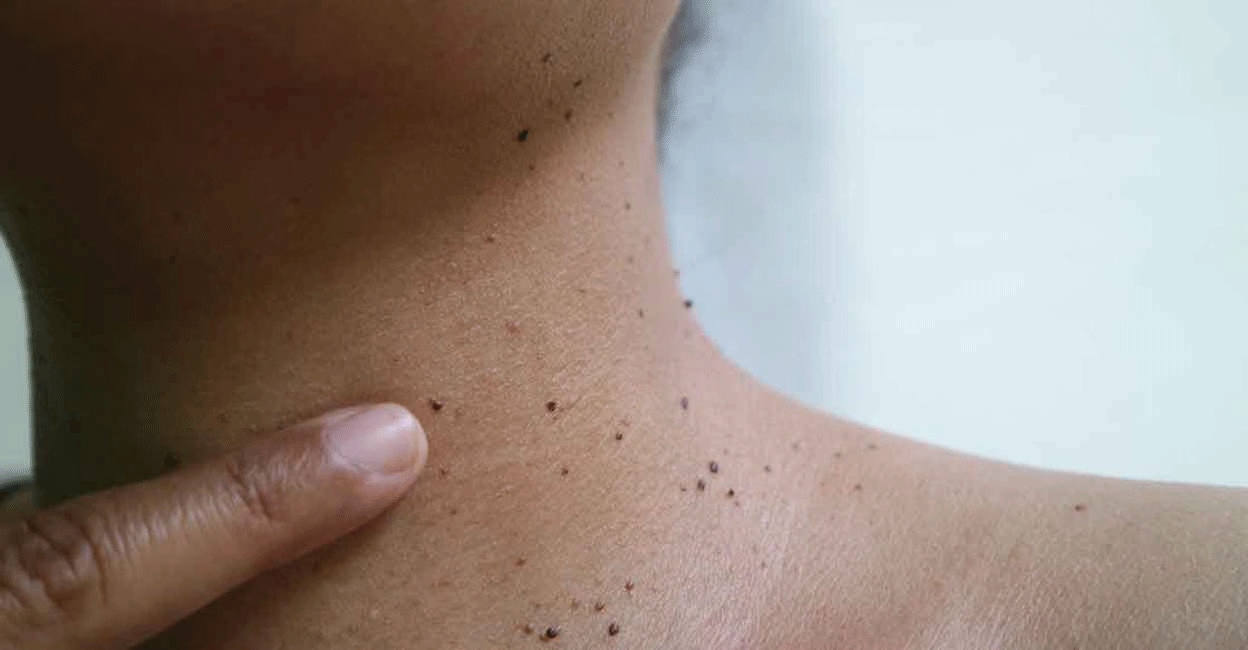
Milia What Are They? And How Do You Eliminate Them?
Milia Areas Just How To Get Rid Of Milia Upcircle This need to always be entrusted to a medical spa professional to prevent scarring, infection and an entire collection of other concerns. To excise milia, the skin needs to be penetrated first with a knife or needle-- given that milia are totally enclosed by skin-- before the difficult keratin is ejected with an extractor. Given that milia are frequently close to the surface of the skin, chemical peels might also be made use of to eliminate them. Milia frequently go away by themselves within a couple of months, yet occasionally they can continue for many years.
Laser Hair Elimination For Underarms: A Long-lasting Option For Smooth Skin
- I've been asked this often times and I always do a fresh literature search.
- Milia that are present at birth or that take place automatically are called main milia.
- Your skin comes to be leathery, making it harder for the dead cells to diminish.
What illness is associated with milia?
Milia are associated with diseases that trigger subepidermal blistering, such as hereditary kinds of epidermolysis bullosa, epidermolysis bullosa acquisita, bullous pemphigoid, bullous lichen planus, and porphyria cutanea tarda. Multiple Find out more eruptive milia are unusual and a lot more extensive in number than key milia.
Why Personalized Treatment Strategies Matter In Aesthetic Medication
Main milia is the most usual kind of milia, located on both children and adults generally around the eyes, cheeks or forehead. Milia en plaque is a less usual kind of milia and, unlike key milia, is a collection of numerous milium that takes place as a plaque (a wide elevated location of the skin). Secondary milia describes milia that appears after a trauma to the skin, such as injury, shed or blistering. When taking care of milia, it is important to initially have a skin analysis with a specialist to figure out the most effective approach to deal with the condition. " Milia are tiny cysts that sit simply under the skin's surface," describes cosmetic physician and head of education at Procurement Aesthetics, Dr. Emmaline Ashley.Exactly How To Remove Milia, Those Pesky, Unpoppable White Bumps
This, in part, is why it's so important to create a skincare ritual that genuinely seems like yours. Milia can be perplexed with whiteheads or acnes which arise from stopped up pores. These stopped up Skin Appearance pores teem with dead skin, sebum (an oily material made by sebaceous glands), and bacteria. Milia, also typically called milk areas, are small, bumpy white cysts that base on your skin. Ultimately, don't forget to use sunscreen to secure your skin from burns and other sunlight damages that can cause secondary milia. Milia en plaque frequently occurs in individuals with an autoimmune problem or hereditary skin disease such as discoid lupus or lichen planus. They periodically emerge as a solitary entity but are much more typically organized in collections of the exact same or differing dimension. Pre-existing conditions such as eczema, rosacea, and seborrheic dermatitis (face "dandruff") may also encourage the development of milia. Lastly, milia can look like a result of injury or injury to the skin, such as burns, blisters, or acne. When the skin is hurt, it may produce excess keratin, a protein that forms the outermost layer of the skin and hair, which can obstruct the pores and create milia.